Professional Recliner Cleaning Restores a Favorite Seat for Fall Indoor Time
AI Assistant · 2026-09-27
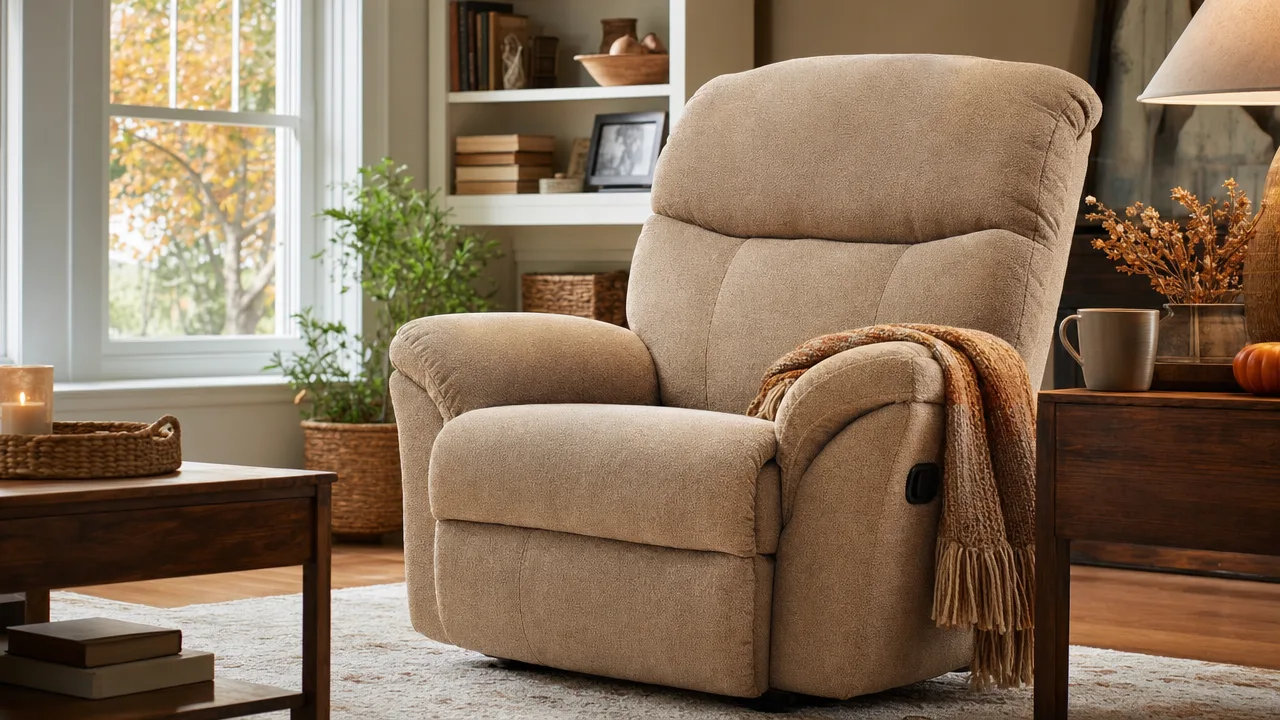
Professional recliner cleaning removes embedded soil, body oils, pet hair, and everyday odors from a favorite seat. Learn what hot water extraction can do, what to expect, and when to schedule service before fall indoor time.
A recliner is often the most used seat in the house. It is where people watch games, read, recover after work, feed a baby, nap, or spend time with a pet. By early fall, when more time shifts indoors, that favorite chair can show the effects of daily use. Armrests may feel dull or sticky, the headrest may look darker than the rest of the upholstery, and the seat cushion may hold odors that regular vacuuming cannot reach.
Professional recliner cleaning gives a heavily used chair a practical reset. Skleanings uses hot water extraction, also called steam cleaning, to lift embedded soil, body oils, food residue, pet hair, and odor causing debris from suitable upholstery fabrics. The goal is not to make unrealistic promises about every old stain. The goal is to clean deeply, improve the feel and appearance of the fabric, and make the recliner a more comfortable place to spend the fall indoor season.
Why recliners get dirty faster than other furniture
Recliners collect soil differently from a sofa or dining chair because they are designed around one person sitting in the same position repeatedly. The same headrest, armrests, seat cushion, footrest, and side controls receive constant contact. Even a clean household can develop noticeable buildup on these high use areas.
Common sources of recliner soil include:
Natural body oils from hands, hair, and skin.
Lotions, hair products, sunscreen, and makeup transferred to the headrest and arms.
Food crumbs and drink spills in seat seams and around the recline mechanism.
Pet hair, paw residue, and occasional pet accidents.
Dust and airborne particles that settle into fabric fibers.
Odors from cooking, pets, smoke, or repeated use.
Soil tracked in from shoes and transferred to the extended footrest.
Fabric can look worn when the real problem is surface and embedded soil. Oils attract more dirt, which is why armrests and headrests often darken first. The upholstery can also become less soft over time as residue settles into the fibers. A professional cleaning process addresses that buildup more thoroughly than a quick wipe with a household cleaner.
Who benefits from professional recliner cleaning
Professional recliner cleaning is useful for homeowners, landlords, and anyone responsible for a shared indoor space. It is especially worthwhile when the chair is still structurally sound and comfortable, but the upholstery looks tired, smells stale, or has visible use patterns.
Homes with pets
A pet may treat a recliner as its regular sleeping spot, even when it is not invited. Hair, dander, paw residue, and pet odors can work into the cushion and creases. Pet stain removal is most successful when the affected area is addressed promptly and when the source of the stain is identified. Older pet stains can sometimes leave color loss, lingering odor, or permanent fiber damage, but deep upholstery cleaning can still improve the condition of the chair.
Families with children
Recliners are frequent snack and movie night seats. Juice, milk, greasy foods, chocolate, and sticky residue can end up on the armrest, seat, or footrest. Blotting a fresh spill right away is important, but professional cleaning is often the better choice once a spot has dried, spread, or become sticky after repeated DIY cleaning attempts.
People with allergies or odor concerns
Vacuuming a recliner removes loose surface debris, but it does not fully rinse the soils lodged around seams, padding, and upholstery fibers. Hot water extraction helps remove built up debris that can contribute to a stale feeling in a frequently used chair. It is a sensible seasonal step before windows stay closed more often and the household begins spending longer evenings indoors.
Landlords preparing a furnished space
A recliner can strongly affect how a furnished room feels to a new occupant. A chair that appears dingy or smells musty can make an otherwise clean space seem neglected. Professional cleaning can improve presentation while helping a landlord assess whether the furniture is ready to keep, repair, or replace.
What professional recliner cleaning actually involves
Recliners require careful cleaning because they contain moving parts, seams, padding, and sometimes electrical controls. The technician needs to work around the chair design rather than treating it like a flat piece of fabric. A professional visit focuses on cleaning the upholstery safely and thoroughly while avoiding unnecessary moisture around mechanical or electrical components.
1. Reviewing the upholstery and problem areas
The process starts with a close look at the chair. The fabric type, visible stains, worn spots, pet affected areas, and overall condition help determine the right approach. Some stains respond well to cleaning, while others have already changed the color of the fabric or damaged the fibers. Honest expectations matter. Cleaning can remove a great deal of soil, but it cannot reverse every permanent mark, bleach spot, tear, or area of heavy wear.
2. Removing loose debris
Loose crumbs, hair, and dry soil need attention before deeper cleaning begins. Recliners have many places where debris gathers, including the gap between the seat and back cushion, arm seams, the footrest edge, and around control levers. Removing dry debris first helps the extraction process work more effectively.
3. Treating stains and oily buildup
Problem areas may receive targeted treatment before the main cleaning. Armrests, headrests, and the front edge of the seat commonly need extra attention because they hold body oils and repeated contact soil. A stain is treated based on what it appears to be and how long it has been present. No responsible cleaner can guarantee complete removal before seeing the stain, especially if it is old or has been treated with several products already.
4. Cleaning with hot water extraction
Hot water extraction, often called steam cleaning, is the core deep cleaning method. It applies a controlled cleaning solution and water to the upholstery, then extracts the suspended soil and moisture. The process is designed to flush out more than a surface wipe can reach. Proper extraction is important because it helps remove cleaning residues and supports faster drying.
Despite the common term steam cleaning, the goal is not to soak the recliner with steam. Moisture must be carefully managed because recliner upholstery sits over foam, padding, frames, and moving mechanisms. A professional approach uses controlled application and extraction suited to the chair.
5. Detailing the areas people touch most
The final cleaning attention often goes to the places that make a chair look and feel used: the headrest, arm tops, seat cushion, front edge, footrest, and visible seams. These details are what help a favorite recliner look refreshed rather than merely damp.
What results should you expect after cleaning
A professionally cleaned recliner should look cleaner, feel fresher, and have less embedded soil than it did before service. Many customers notice that the upholstery color looks more even after oils and dulling residue are removed. The fabric may feel softer, and the chair may smell more neutral once trapped debris is extracted.
Results vary with fabric type, age, use, and the history of stains. A recliner that has been cleaned regularly and treated quickly after spills usually has better potential than one with years of accumulated residue. Heavy body oil buildup can sometimes leave a visible shadow if it has permanently altered the fabric. Pet urine can be particularly challenging because it may reach padding below the surface. The practical benefit of professional cleaning is a deeper, more hygienic reset, not a claim that every chair will look brand new.
How much time and effort does recliner cleaning require
For the customer, preparation is simple. Clear personal items from the chair and the surrounding floor area. Move side tables, lamps, blankets, remotes, and anything stored beside or behind the recliner. If the chair has a power cord, make sure the technician can safely access the upholstery without pulling or pinching it. Point out any stains, pet accidents, or areas that concern you.
The cleaning itself takes longer than a quick spot treatment because the chair has multiple surfaces and tight spaces. The exact time depends on the recliner size, fabric condition, severity of staining, and how much detailed treatment is needed. A heavily soiled chair with pet hair and several old spills naturally requires more care than a lightly used recliner that needs a seasonal refresh.
Drying time also varies. Airflow, indoor temperature, humidity, upholstery thickness, and how soiled the chair was all play a part. Keep the room comfortably ventilated when possible and avoid using the recliner until it is dry to the touch. Do not place heavy blankets, pets, or children on damp upholstery. The cleaner a chair is extracted, the more efficiently it can dry.
When DIY cleaning is enough and when it is not
A small fresh spill can often be managed at home. Blot it gently with a clean white cloth, working from the outer edge toward the center. Avoid rubbing, which can spread the spill and push it deeper into the fabric. Use as little moisture as possible, and do not saturate the cushion. If you use a fabric cleaner, test it in a hidden spot first and follow the furniture manufacturer guidance.
DIY care becomes less effective when the recliner has widespread dullness, sticky armrests, old mystery spots, persistent odors, pet contamination, or visible soil in the seams. Overapplying store bought sprays can leave residue that attracts more dirt. Soaking a recliner can also create a long drying period and may affect padding or the chair's internal components. In those cases, professional upholstery cleaning with hot water extraction is the more practical choice.
How often should a recliner be professionally cleaned
For a lightly used recliner in a low traffic home, professional cleaning may be needed when visible buildup, odors, or stains appear. For a chair used daily, a yearly cleaning is often a practical maintenance schedule. Homes with pets, children, smokers, frequent food spills, or allergy concerns may benefit from more frequent attention.
The best timing is before the chair reaches the point where soil is obvious from across the room. Early fall is a useful time because the chair is about to get more use during cooler evenings, weekend sports, movie nights, and holiday visits. Cleaning before indoor routines become busier helps you enjoy the seat instead of covering it with a throw to hide the upholstery.
How recliner cleaning fits into a cleaner living room
A recliner can be cleaned on its own when it is the main problem piece in a room. That makes sense when the chair is heavily used, has a specific pet issue, or needs attention before guests arrive. If other upholstered seating also needs care, learn more about professional sofa cleaning before fall entertaining. Skleanings also offers carpet cleaning, sofa cleaning, sectional cleaning, mattress cleaning, carpet stain removal, and upholstery cleaning for eligible items, but each service should be scheduled based on the condition of the specific piece.
Professional carpet cleaners can help with carpeted areas that hold tracked in soil, while recliner cleaning addresses the seat where that same daily contact collects. They are separate cleaning needs, even when they are in the same room. A clean recliner often makes the whole space feel more cared for because it is such a visible and personal piece of furniture.
Simple ways to keep a recliner cleaner after service
Vacuum upholstery gently with a suitable attachment, including seams and under removable cushions if accessible.
Blot spills promptly with a clean white cloth. Do not scrub.
Keep food and colored drinks away from the chair when possible.
Use a washable throw only if it does not trap moisture or transfer dye onto the upholstery.
Brush pet hair off regularly before it works into fabric and creases.
Follow the furniture label guidance and avoid using untested household cleaners.
Address odors and stains early instead of waiting for them to become set in problems.
Book recliner cleaning before indoor time picks up
A favorite recliner does not need to stay dull, stale, or visibly soiled just because it is used every day. Professional cleaning can remove accumulated debris, refresh the fabric, and improve the comfort of the chair for the season ahead. If your recliner needs a deeper clean before fall indoor time, you can book online in under a minute.
Frequently asked questions about professional recliner cleaning
Can hot water extraction clean a recliner safely?
Yes, when it is performed with controlled moisture and the chair's fabric and construction are considered. Recliners require care around padding, seams, motors, levers, and electrical controls. The objective is to clean the upholstery without oversaturating the chair.
Will steam cleaning remove all stains from my recliner?
No. Hot water extraction can significantly improve many stains and remove deep soil, but complete stain removal depends on the stain type, age, fabric, prior cleaning attempts, and whether the fibers have been permanently damaged or discolored.
Can professional recliner cleaning help with pet odor?
It can help remove pet hair, dander, residue, and odor causing soil from upholstery. Results depend on whether the contamination is limited to the fabric or has reached deeper padding. Mention pet affected areas before cleaning so they can receive appropriate attention.
How long before I can sit in my recliner again?
Wait until the upholstery is dry to the touch. Drying time varies based on the fabric, room airflow, humidity, padding thickness, and the amount of cleaning required. Keeping the room ventilated can help.
Should I clean a recliner if it only looks dirty on the arms and headrest?
Yes. Those areas often have concentrated body oil buildup that can attract more soil over time. Cleaning the full chair allows the high contact areas to be treated while helping the upholstery look more even overall.
Can I use a rental carpet cleaning machine on my recliner?
It is usually better to use equipment and methods intended for upholstery. Carpet machines can apply too much moisture or lack the control needed for recliner seams, padding, and moving parts. For widespread soil, odors, or stains, professional upholstery cleaning is the safer option.