Post-Summer Spill Cleanup: When Carpet and Upholstery Stains Need Professional Help
AI Assistant · 2026-08-27
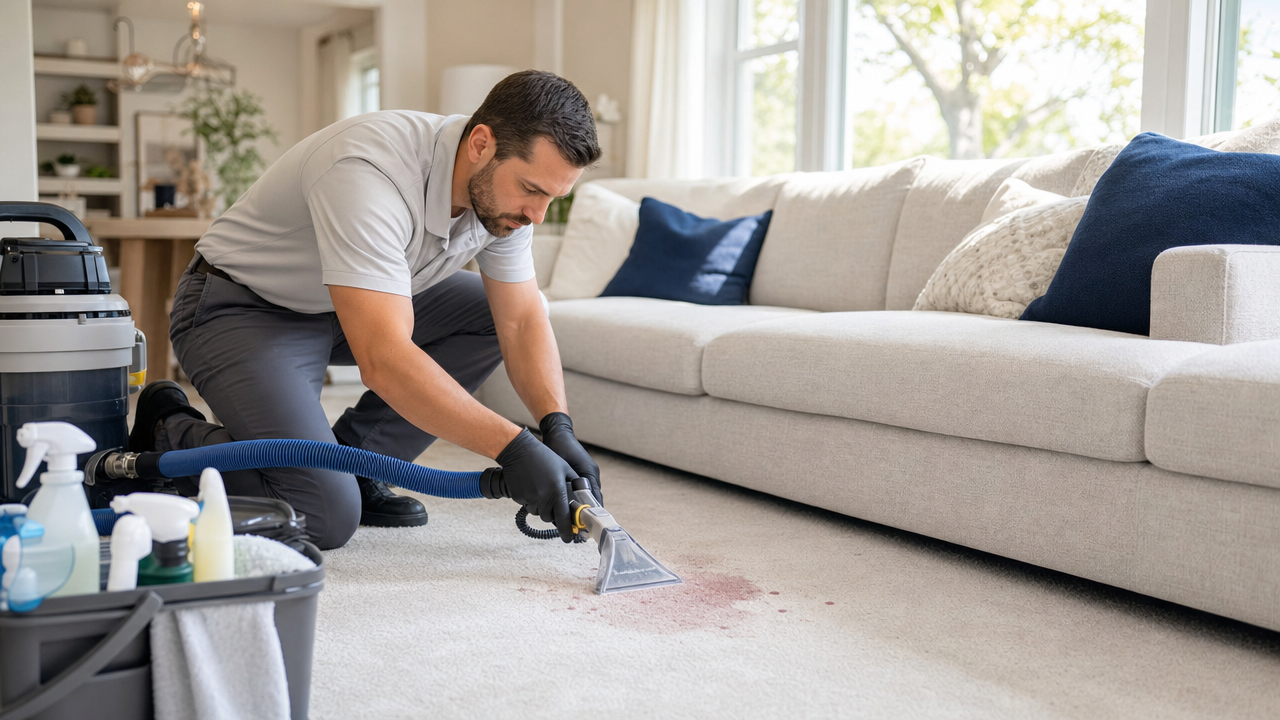
Learn which post-summer spills can be handled with careful blotting and when carpet cleaning or upholstery cleaning is the better choice. Get practical advice for food, drink, sunscreen, and pet stains.
Late summer is hard on soft surfaces. Backyard cookouts, kids home from school, visiting friends, wet swimsuits, iced drinks, pet accidents, and extra foot traffic can leave carpets and furniture with stains that are more than a quick blotting job.
Some fresh spills can be handled safely at home. Others need professional carpet cleaners before they set, spread, or leave behind an odor. Knowing the difference can help you avoid turning one small spill into permanent discoloration or damage to carpet fibers and upholstery fabric.
Why Post-Summer Stains Can Be So Stubborn
A spill does not always stay on the surface. Liquids can travel through carpet fibers into the backing and padding below. On upholstered furniture, they can soak through the fabric and into cushions, seams, and filling. What looks clean after a quick wipe may still contain sticky residue, food particles, oils, or moisture.
Summer stains are especially likely to cause trouble because many contain sugar, dye, grease, protein, or outdoor soil. Heat and repeated use can also help residue bond to fibers. A stain may disappear while damp, then reappear as the area dries.
Common end-of-summer spills
Iced coffee, soda, juice, sports drinks, and flavored ice treats
Barbecue sauce, ketchup, salad dressing, melted butter, and cooking grease
Ice cream, milkshakes, and other dairy-based foods
Mud, grass, pollen, and tracked-in soil from outdoor activities
Sunscreen, body oil, makeup, and self-tanner on sofas and chairs
Pet urine, vomit, and muddy paw prints
Wine, fruit punch, berries, and other colored drinks or foods
When a DIY Cleanup Is Usually Enough
For a small, fresh spill on a carpet or sturdy fabric, prompt blotting is often the right first step. The goal is to remove as much moisture as possible without rubbing the spill deeper into the fibers.
Safe first steps for a fresh spill
Blot immediately with a clean white towel or plain paper towels.
Press straight down and lift. Do not scrub back and forth.
Work from the outside edge toward the center so the stain does not spread.
Use a small amount of cool or lukewarm water if needed, then blot again.
Keep adding dry towels until the area is no longer transferring moisture.
Allow the area to dry fully and check it again in natural light.
Do not soak carpet or furniture. Too much water can push the spill deeper, spread dyes, and make drying harder. Avoid using colored towels, strong all-purpose cleaners, bleach, dish soap in heavy amounts, or multiple products mixed together. These can leave residue, cause discoloration, or make later carpet stain removal more difficult.
Signs You Need Professional Carpet Cleaners
Professional help is a smart choice when a stain has reached below the surface, covers a larger area, contains oils or dyes, or has already dried. Professional carpet cleaners use methods designed to rinse out embedded soil and cleaning residue rather than simply masking the spot.
Call for professional carpet cleaning when:
The stain is still visible after careful blotting and drying.
A spot keeps coming back after it appears to be gone.
The affected area feels stiff, sticky, or crunchy.
The carpet has a sour, musty, or pet-related odor.
A pet accident has soaked into carpet, backing, or padding.
The stain is from wine, coffee, grease, food coloring, berries, juice, or makeup.
You have tried several products and are unsure what remains in the carpet.
The spill is on a large area, a hallway, carpeted stairs, or a high-traffic room.
The carpet is wool, delicate, heavily textured, or has special cleaning instructions.
Timing matters. The longer residue remains in the carpet, the more likely it is to attract soil and become difficult to remove. Not every stain can be fully removed, especially if it has altered the dye or fibers, but early professional treatment gives carpet stain removal the best chance of success.
How Hot Water Extraction Helps With Deep Carpet Stain Removal
Skleanings uses hot water extraction, often called steam cleaning, for deep and hygienic carpet cleaning. Despite the common name, steam cleaning for carpet generally refers to a controlled hot water extraction process. Cleaning solution and hot water are applied to loosen embedded soil and residue, then powerful extraction removes the moisture along with the suspended dirt and contaminants.
This approach is useful after a busy summer because it addresses more than the visible surface. Hot water extraction can help rinse out sticky drink residue, fine outdoor soil, food particles, and the buildup left by over-the-counter spot cleaners.
What to expect during a professional carpet cleaning visit
The technician assesses the carpet condition, stain type, and affected areas.
Furniture and room conditions are considered based on the service booked.
Problem areas receive appropriate attention before the main cleaning process.
Hot water extraction is used to deep clean and remove loosened soil.
You receive practical guidance on drying, walking on the carpet, and any remaining stain limitations.
Drying time varies with carpet type, indoor humidity, airflow, and how heavily soiled the carpet was. Opening blinds, running ceiling fans, and maintaining normal indoor airflow can help the carpet dry more efficiently.
When Upholstery Cleaning Is Better Than Spot Treating
A single drop of water on a sofa may not seem urgent, but cushions and padded furniture can hold moisture long after the fabric feels dry. Food, drink, body oils, sunscreen, and pet messes can settle into the fabric and cushion filling, where they may create odors or attract more soil.
Upholstery cleaning is particularly helpful when a spill is on a frequently used sofa, loveseat, armchair, dining chair, office chair, ottoman, headboard, or chaise lounge. It is also a practical choice if you can see general dinginess around the spill. Cleaning one small section at home can leave a noticeably cleaner patch on surrounding fabric.
Consider professional sofa cleaning or sectional cleaning if:
The spill reached a seat cushion, armrest, seam, or crevice.
Your sofa has water rings, oily head or arm marks, or widespread food residue.
The fabric has a care tag you do not understand.
The furniture is light-colored, delicate, vintage, or made with a textured weave.
A pet accident occurred on cushions or a sectional.
The affected area smells even after surface cleaning.
You have used a product that left a ring, residue, or color change.
Before applying any cleaner to furniture, check the manufacturer's care code if available. Fabrics marked with an S or X code may not be suitable for water-based DIY cleaning. In those cases, adding water or the wrong product can create a larger problem. Professional upholstery cleaning begins with evaluating the fabric and its condition.
Pet Stain Removal: Why Odor Often Comes Back
Pet stain removal is not only about the visible spot. Urine can travel below the carpet face fibers and leave odor-causing residue in the backing or padding. Warm weather and humidity can make lingering odors more noticeable. Pets may also return to the same location if they can still detect the scent.
For a fresh accident, blot up as much liquid as possible with clean towels. Do not rub, and do not use heat to dry the spot. If the accident is old, recurring, large, or has an odor, professional carpet cleaning is usually the more effective next step. Be clear about the location and type of pet mess when booking so the affected area can be assessed properly.
On upholstered cushions, pet accidents can penetrate quickly. Avoid saturating the cushion with store-bought products. Excess moisture can be difficult to remove from dense filling, and surface deodorizer alone does not remove the underlying residue.
Do Not Forget Mattresses After Summer Illnesses or Accidents
Mattress cleaning is worth considering when a mattress has been affected by a spill, pet accident, sweat buildup, or an illness-related mess. Mattresses should not be heavily soaked with home cleaning products because moisture can remain inside layers that are hard to dry.
For a small fresh spill, blot carefully and allow good airflow. For broader staining, odors, or hygienic concerns, a professional mattress cleaning service can provide a more appropriate deep-cleaning option for full and king-size mattresses.
What Not to Do With Carpet and Furniture Stains
Do not scrub aggressively. Scrubbing can fray fibers and spread stains.
Do not use bleach unless the manufacturer specifically permits it. Bleach can permanently remove color.
Do not pour large amounts of water onto carpet or upholstery.
Do not use heat on protein stains, such as milk, ice cream, blood, urine, or vomit. Heat can set these stains.
Do not mix cleaning products. Chemical combinations can be unsafe and may damage fibers.
Do not use a rental machine without understanding the fabric or carpet requirements. Overwetting and detergent residue are common issues.
Do not wait weeks if the spill is oily, colorful, odorous, or pet-related.
A Practical Post-Summer Cleaning Plan
If your home saw plenty of summer activity, start by walking through each carpeted room and checking your main seating areas. Look along sofa arms, under cushions, near dining tables, in entryways, and around pet sleeping spots. Spots may be easier to find in daylight, especially on light-colored carpet.
Identify active stains, odors, and high-traffic areas.
Blot any fresh spills using clean white towels.
Take note of stains that have returned or do not respond to light blotting.
Check upholstery care labels before attempting any DIY treatment.
Schedule professional carpet cleaning, upholstery cleaning, or mattress cleaning for areas that need a deeper rinse and extraction.
Skleanings provides carpet cleaning, sofa cleaning, sectional cleaning, upholstery cleaning, and mattress cleaning for homes and businesses. If summer spills have left behind stains, odors, or sticky buildup, professional hot water extraction can help deep clean the surfaces you use every day. Booking online takes under a minute.
Frequently Asked Questions
Can professional carpet cleaning remove every stain?
No. Some stains permanently change the carpet dye or damage fibers, particularly if they are old, heat-set, or treated with harsh chemicals. Professional cleaning can improve many spots and remove embedded residue, but no responsible cleaner can promise complete removal of every stain.
Why did my carpet stain come back after cleaning it?
The spill may have penetrated into the backing or padding and wicked back to the surface as the carpet dried. Residue from a cleaning product can also attract soil and make the area look stained again. Hot water extraction can help remove deeper residue.
Is steam cleaning safe for sofas and sectionals?
The right upholstery cleaning method depends on the fabric, construction, and manufacturer care instructions. A professional should inspect the material before cleaning. Some fabrics are suitable for water-based extraction, while others need a different approach.
How soon should I book after a pet accident?
Blot immediately, then arrange help promptly if the spot is large, old, recurring, or odorous. Faster action can reduce the chance of odor and staining becoming more difficult to address.