Office Chair Upholstery Cleaning: A Practical Early-Fall Reset for Busy Workspaces
AI Assistant · 2026-09-19
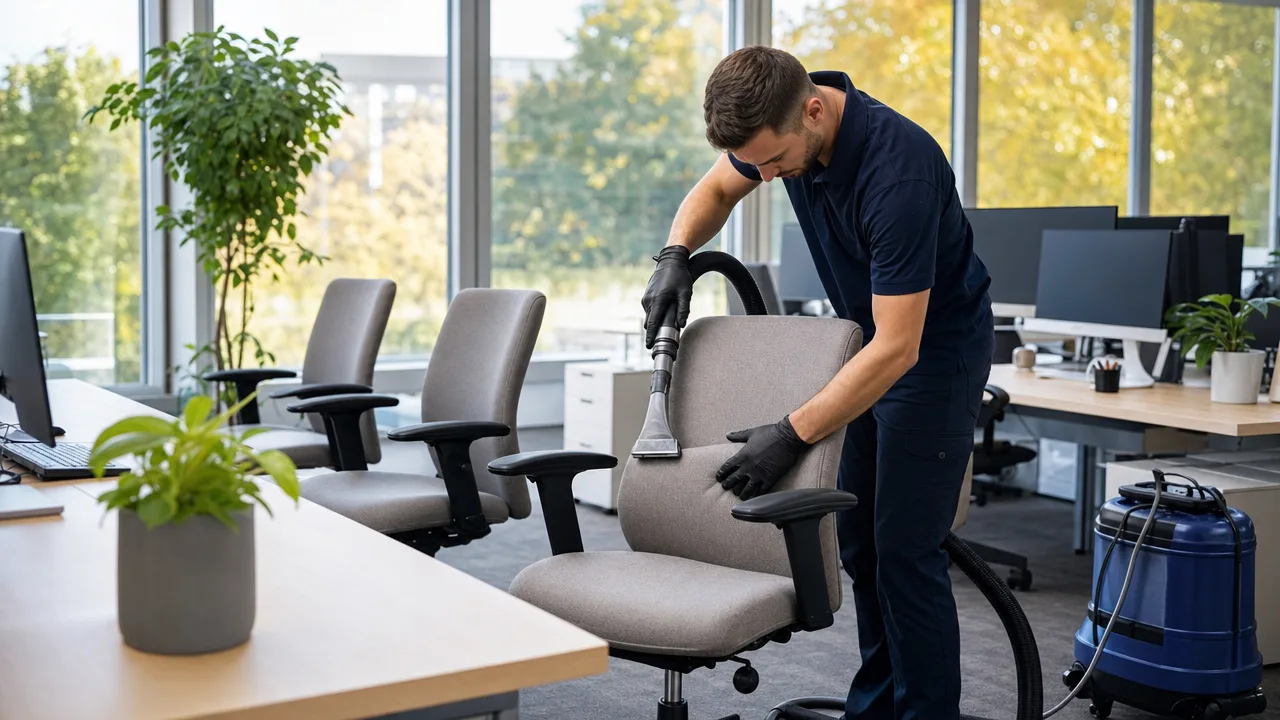
Office chairs absorb everyday dust, spills, oils, and odors that routine vacuuming cannot fully remove. Learn what professional office chair upholstery cleaning involves and how hot water extraction helps refresh busy workspaces this early fall.
Office chairs collect more soil than most people realize. They are used for hours at a time, often while people eat lunch, drink coffee, move between desks, or come in from outside. By mid-September, a busy workspace may have months of summer dust, body oils, food crumbs, drink spots, and everyday wear built up in the fabric.
Professional office chair upholstery cleaning gives shared workspaces a cleaner, more comfortable reset before the cooler months bring more time indoors. At Skleanings, we use hot water extraction, also called steam cleaning, to deep clean upholstered office chairs without treating the job like a quick surface wipe.
Whether you manage a small office with a few task chairs or a larger workspace with rows of seating, knowing what the process involves can help you plan a practical cleaning visit.
Why office chairs need more than occasional vacuuming
Vacuuming office chairs is useful for loose dust, crumbs, hair, and debris around seams. It is an important part of routine maintenance, but it does not fully remove the soil that settles into upholstery fibers over time.
Fabric office chairs are exposed to repeated contact with clothing, skin, and hands. Armrests may collect oils and grime. Seat cushions can develop dull traffic patterns. Chair backs often pick up dust, lint, and residue from jackets and sweaters. In shared workplaces, the buildup happens faster because different people use the same furniture throughout the day.
Common signs it is time for office chair upholstery cleaning include:
Darkened or dull areas on the seat, arms, or backrest
Visible coffee, tea, food, ink, or makeup spots
A stale or dusty smell when someone sits down
Fabric that looks uneven compared with less-used chairs
Crumbs and grit caught around stitching, buttons, or crevices
Employee complaints about dirty-looking shared seating
Early fall is a sensible time to handle the work. Summer foot traffic, open windows, dust, and humid days can leave fabrics looking tired. Cleaning chairs before the office settles into a busier indoor routine helps the workspace feel more put together for employees, clients, and visitors.
What professional office chair upholstery cleaning involves
A proper cleaning starts with looking at the chair fabric, the level of soiling, and any visible spots. Office chairs vary widely. Some have tightly woven fabric, some have thicker padded upholstery, and others combine fabric seats with vinyl, plastic, or mesh sections. The cleaning approach needs to suit the upholstered areas rather than assuming every chair can be treated the same way.
1. Inspection and dry soil removal
The first step is identifying the areas that need the most attention. Seats, armrests, headrests, and lower back cushions are usually the highest-contact zones. Loose debris is removed before wet cleaning so it does not turn into more residue during the process.
This step matters because dry soil acts like fine grit. Left in place, it can work deeper into the fabric every time someone shifts in the chair.
2. Spot treatment where appropriate
Visible marks may need extra attention before extraction. Coffee spills, food residue, tracked-in soil, and oily contact areas can respond differently depending on the fabric, how old the spot is, and whether someone has already used a cleaning product on it.
It is important to be realistic about results. No upholstery cleaning service can promise that every stain will disappear. Older stains, dyes, ink, bleach marks, and discoloration caused by wear may remain even after thorough cleaning. The goal is to remove as much soil and residue as the fabric safely allows, while improving the chair's overall appearance and freshness.
3. Hot water extraction for deep cleaning
Hot water extraction is the core deep-cleaning method. It is often called steam cleaning, although the process is more precise than simply applying steam to fabric. Cleaning solution and hot water are applied in a controlled way, then powerful extraction removes moisture, loosened soil, and cleaning residue from the upholstery.
This is what makes professional upholstery cleaning different from spraying a chair with a store-bought product and blotting it with paper towels. Surface products may help with a fresh spill, but they often cannot rinse away embedded soil through the cushion fibers. They can also leave behind residue that attracts more dirt if overused.
4. Final review and drying time
After cleaning, each chair should be checked for remaining spots and for even results across the upholstery. Chairs will need time to dry before normal use. Drying conditions depend on fabric type, cushion thickness, airflow, indoor humidity, and how heavily soiled the chair was before cleaning.
For the best drying conditions, keep the workspace ventilated if possible and avoid sitting in the chairs until the fabric is dry. Do not place plastic covers or items directly on damp upholstery. Good airflow is one of the simplest ways to help chairs dry evenly.
Who benefits most from office chair cleaning?
Office chair upholstery cleaning is useful for any workplace with fabric seating, but it is especially valuable in high-use environments. A chair used by one person every day can develop noticeable soil. A chair shared by multiple employees, visitors, or clients can become dirty much sooner.
Consider scheduling a professional cleaning when your workspace includes:
Reception chairs that create a first impression for visitors
Shared desks, hot desks, or rotating employee seating
Conference room chairs used for meetings and client appointments
Training rooms with upholstered seating
Home offices where a chair gets daily use
Workspaces with food, drinks, children, or pets nearby
For a home office, chair cleaning can be particularly helpful when the chair doubles as a daily work seat and an evening gaming, studying, or crafting seat. The upholstery can hold far more day-to-day soil than its small size suggests.
How much time and effort should a workspace expect?
The time needed for office chair upholstery cleaning depends on the number of chairs, their size and construction, how much fabric they have, the condition of the upholstery, and the type of spots being addressed. A lightly soiled group of simple task chairs requires a different level of work than heavily used executive chairs with padded arms, cushions, and multiple upholstered sections.
For office managers, the most useful planning step is to count the chairs and identify which ones need cleaning. Include conference room seating, reception chairs, desk chairs, and any upholstered chairs in private offices. This gives a clearer picture of the work and helps avoid missing chairs that receive regular use.
Before the appointment, make access easy. Clear personal items from seats, remove loose papers and electronics from nearby desks, and make sure chairs can be moved or reached safely. If certain chairs have known spills or damage, point them out in advance. This lets the cleaning focus on the issues that matter most to your team.
The financial cost will depend on the amount and type of upholstery being cleaned, so it is better to book based on the actual chair count and condition than to guess from a general office size. Skleanings makes the process simple because you can book office chair cleaning online in under a minute.
What results should you expect?
Deep cleaning can make office chairs look noticeably brighter, reduce built-up soil, improve the feel of the fabric, and help remove stale odors linked to ordinary use. The difference is often most visible on lighter upholstery, armrests, seat fronts, and the areas where people repeatedly lean back.
A clean chair should not feel crunchy, sticky, or heavily perfumed. The goal is a hygienic, refreshed upholstery surface with as little remaining cleaning residue as possible. Hot water extraction is designed to lift out the loosened soil rather than simply covering it with fragrance.
Results vary with the chair's age and condition. Permanent fading, worn fabric, fraying, broken fibers, or old dye-based stains are material issues rather than removable dirt. A professional cleaning can still improve overall cleanliness, but it cannot restore damaged upholstery to brand-new condition.
When a DIY cleanup is enough, and when it is not
A quick DIY response is appropriate for a fresh spill. Blot it promptly with a clean, white absorbent cloth. Work from the outside of the spill toward the center so it does not spread. Avoid rubbing, since rubbing can push soil deeper into the fabric and damage fibers.
Use only a small amount of upholstery-safe product after checking the chair manufacturer's care guidance. Test any cleaner in a hidden area first. Do not saturate the cushion. Too much moisture can leave water marks, create slow drying conditions, or push residue farther into the padding.
Professional hot water extraction is the better choice when chairs have widespread dinginess, recurring odors, multiple old spots, or a noticeable buildup from daily use. It is also the practical option when a manager needs many chairs cleaned consistently rather than asking staff to handle one chair at a time.
People sometimes search for pet stain removal or carpet stain removal when looking for help with a spill on office upholstery. The same basic rule applies: act quickly, avoid over-wetting, and do not expect one product to solve every old stain. Cleaning methods used by professional carpet cleaners are useful because they focus on extracting soil, but upholstery requires fabric-specific care.
Keep chairs cleaner after the appointment
Professional cleaning works best alongside simple daily habits. A few routine steps can reduce soil buildup between visits:
Vacuum fabric chairs regularly, especially seams and seat edges.
Address food and drink spills as soon as they happen.
Encourage employees to avoid placing wet umbrellas, muddy bags, or outdoor gear on chairs.
Wipe non-fabric chair components according to manufacturer guidance.
Use a designated eating area when possible.
Rotate shared chairs if some seats receive much heavier daily use.
These habits will not replace deep cleaning, but they help preserve the results and keep upholstery from becoming visibly soiled as quickly.
A cleaner workspace starts with the seats people use every day
Office chairs are a working part of the space, not background furniture. When their upholstery is clean, the office looks better, shared seating feels more comfortable, and visitors see a more cared-for workplace. An early-fall reset is a practical time to remove summer buildup before the office spends more time indoors.
Skleanings provides professional upholstery cleaning for office chairs using hot water extraction for a deeper, more hygienic result. If you are planning a reset for a few chairs or a larger workspace, review our available cleaning services and book online when you are ready. While Skleanings also provides carpet cleaning, mattress cleaning, sofa cleaning, and sectional cleaning, office chair cleaning deserves its own focused plan because these high-contact seats need specialized attention.