Hot Water Extraction for Sectional Cleaning: How Deep Cleaning Works Before Early Fall Indoor Season
AI Assistant · 2026-09-19
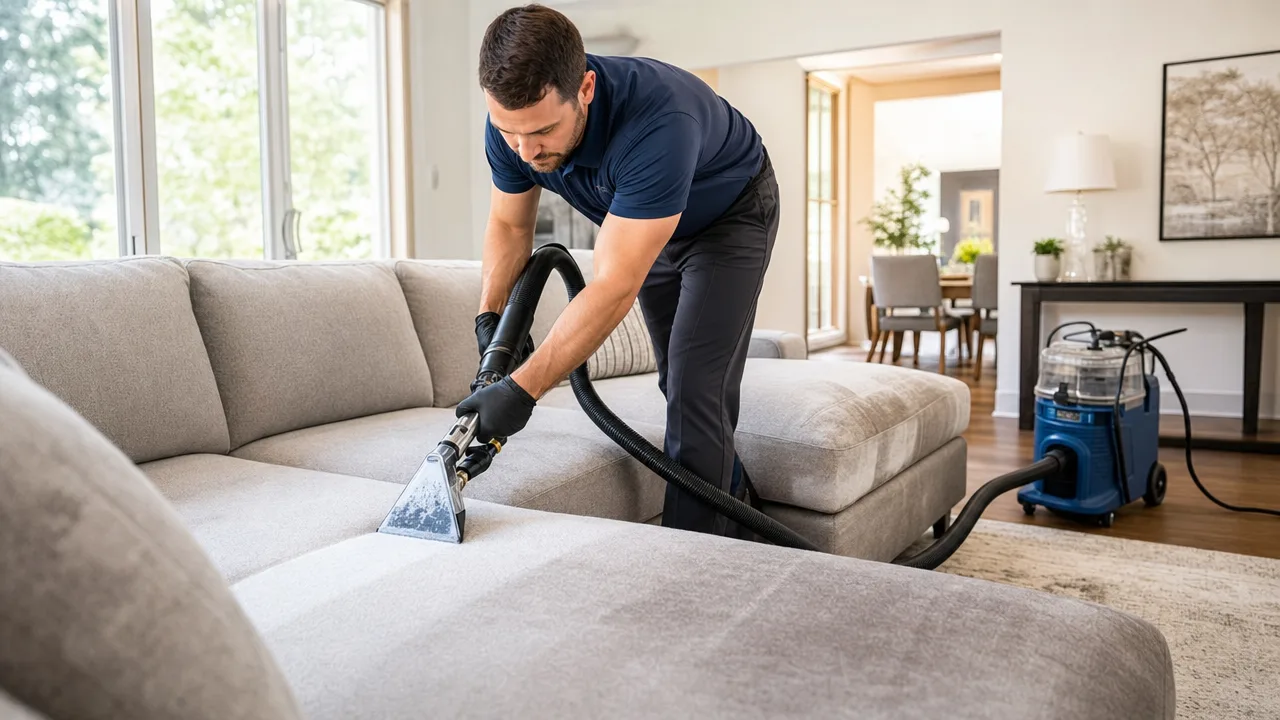
Learn how hot water extraction deep cleans sectional upholstery before early fall indoor time. This practical guide explains the process, realistic results, drying, pet odors, and when to call a professional.
A sectional is often the most used seat in the home. It collects everyday soil from clothing, body oils, pet hair, snack crumbs, dust, and occasional spills across far more surface area than a standard sofa. By early fall, when more time shifts indoors, a deep sectional cleaning can make the room feel fresher and more comfortable before regular movie nights, visitors, and weekend lounging begin.
For deep upholstery cleaning, Skleanings uses hot water extraction, a method commonly called steam cleaning. It is designed to flush embedded soil from upholstery fibers rather than simply cleaning the top surface. Understanding how the process works can help you decide when your sectional needs professional attention, what results are realistic, and why some stains or odors need more than a quick spot treatment.
What Is Hot Water Extraction for Sectional Cleaning?
Hot water extraction is a deep cleaning method that uses heated water, an upholstery-safe cleaning solution, controlled agitation, and powerful extraction to remove loosened soil from fabric. The technician applies the solution as needed, works it into the upholstery carefully, rinses the fabric with hot water, and immediately extracts the dirty moisture.
People often call this steam cleaning, but the process is not the same as holding a handheld steamer over a couch. True hot water extraction uses moisture under controlled pressure and then removes that moisture along with dissolved grime, allergens, residue, and suspended soil. The extraction step is what makes the method useful for a heavily used sectional.
A sectional can include several seats, cushions, arms, chaise sections, corners, seams, and crevices. Dirt does not land evenly across these areas. The most-used cushion may hold more body oil and soil than the less-used end seat. A professional sectional cleaning process addresses those differences instead of treating the entire piece as though every section has the same condition.
Why Sectionals Need More Than Surface Cleaning
Vacuuming upholstery is useful. It removes loose crumbs, surface dust, pet hair, and dry debris before those materials work deeper into the fabric. Lightly blotting a fresh spill can also prevent some stains from becoming larger. But neither task removes the oily, sticky, or fine-particle soil that settles below the fabric surface over time.
When a sectional starts looking dull, feeling slightly stiff, or developing a general lived-in smell, the problem is often more than visible dirt. Fabrics can hold residue from skin oils, lotions, food, pet paws, airborne dust, and prior cleaning products. These contaminants attract additional soil. That is why an upholstered couch may look dirty again soon after a surface-only cleaning.
Hot water extraction is especially useful for sectionals because it targets this embedded buildup. It can improve the look and feel of upholstery without relying on heavy perfumes or leaving a thick product layer behind. The goal is a thoroughly rinsed fabric with as little remaining soil and residue as practical.
How Professional Hot Water Extraction Works Step by Step
The exact process depends on the sectional's fabric, condition, construction, and the type of soiling present. Delicate, unstable, or non-colorfast materials may not be suitable for standard hot water extraction. A professional should assess the upholstery before applying moisture or cleaning agents.
1. Fabric and condition assessment
The first step is identifying the upholstery's general fiber type and condition. Technicians look for existing wear, fading, loose seams, damaged cushions, prior spot treatment marks, and areas with heavy soil. They also check whether the fabric appears likely to react poorly to water-based cleaning.
This inspection matters because no one cleaning method is correct for every material. Hot water extraction is highly effective for many durable upholstered sectionals, but it cannot safely override manufacturer care instructions or repair fabric that is already weakened by age, sunlight, pets, or repeated abrasion.
2. Dry soil removal
Before moisture is introduced, loose debris should be removed from the sectional. This includes crumbs, hair, dust, and particles caught under cushions and along seams. Skipping this step can turn dry dirt into mud-like residue once moisture is added.
For homes with pets, dry removal is particularly important. Pet hair tends to cling to upholstery fibers and tuck into corners where ordinary vacuuming misses it. Removing as much dry debris as possible helps the cleaning solution work on soil rather than on loose surface material.
3. Pre-treatment of heavy-use areas and spots
A technician may apply an appropriate upholstery pre-treatment to heavily soiled cushions, armrests, headrests, or identified spots. These areas often hold more oil and residue because they receive the most contact. The product is given time to loosen grime before extraction begins.
Pre-treatment is not a promise that every stain will disappear. Some discoloration is caused by permanent dye loss, fabric damage, bleach, color transfer, oxidation, or a substance that has chemically changed the fibers. Still, proper pre-treatment gives removable soil a better chance of releasing during the rinse and extraction stage.
4. Gentle agitation
Agitation helps distribute the cleaning solution and loosen embedded soil. On upholstery, this must be done carefully. A sectional's fabric can be more sensitive than carpet, and aggressive scrubbing can distort fibers, create fuzzing, or spread a stain.
The right amount of agitation depends on the material and the problem. Light brushing may be enough for routine soil, while a heavily used seat may need more attention. The purpose is to free soil from the fabric, not to grind the soil deeper into it.
5. Hot water rinse and extraction
This is the core of hot water extraction. Heated water is applied in a controlled amount to rinse loosened soil and cleaning solution from the fabric. At nearly the same time, professional equipment pulls the moisture back out.
The recovered water carries away dirt, residue, and dissolved contaminants. This rinse-and-recover action is a major difference between professional steam cleaning and methods that only spray product onto the upholstery and wipe the surface. A cleaner that stays in the fabric can attract soil later, so thorough extraction is important.
The technician works in manageable sections, giving extra attention to high-contact areas. Cushions, armrests, backrests, chaise sections, and seams may require different handling because they hold moisture and soil differently.
6. Detail work on seams, edges, and cushions
Sectionals have more joins and corners than many sofas. Soil commonly collects where cushions meet, around piping, below removable cushions, and in the creases of a chaise. Detail work helps address these places rather than leaving the cleanest results only on broad, flat seat panels.
If cushions are removable, cleaning both sides may be appropriate when the fabric and cushion construction allow it. The underside can collect dust and transfer soil back to cleaned surfaces if it is ignored.
7. Final inspection and drying guidance
After cleaning, the upholstery is inspected for remaining spots and overall appearance. Some areas may receive additional treatment when it is safe and worthwhile. The sectional then needs time to dry before normal use.
Drying time varies based on fabric thickness, cushion density, humidity, room temperature, airflow, and how heavily soiled the sectional was before cleaning. Opening airflow in the room, using ceiling fans, and keeping cushions positioned for ventilation can help. Avoid sitting on damp upholstery when possible, since pressure can slow drying and transfer body oils back onto the fabric.
What Hot Water Extraction Can Improve
A well-suited sectional cleaned with hot water extraction may look brighter, feel less grimy, and smell fresher. It is particularly helpful for accumulated general soil that makes upholstery appear darker or flatter than it did when new.
Embedded everyday dirt in seat cushions and armrests
Body oils and lotion residue that attract soil
Food and drink spills when the material has not permanently altered the fabric
Pet-related soil and some odor sources
Dust, crumbs, and fine debris in seams and upholstery crevices
Residue from past do-it-yourself cleaning products
A general stale or used appearance across the sectional
For a large L-shaped couch or a multi-seat sectional, deep cleaning can also improve consistency. One cushion may never match another perfectly if it has received more sunlight or wear, but removing accumulated soil can reduce the contrast caused by everyday use.
What Sectional Steam Cleaning Cannot Do
Honest expectations are important. Hot water extraction is a deep cleaning method, not a repair or restoration process. It cannot reverse every issue visible on upholstery.
It cannot replace fibers worn away by friction, pets, or age.
It cannot restore color that has faded from sunlight or harsh cleaning chemicals.
It cannot guarantee removal of every old stain.
It cannot fix tears, broken frames, flattened foam, loose stitching, or damaged cushion inserts.
It cannot safely clean every fabric with the same amount of water or heat.
It cannot prevent all future spills, pet accidents, or soil buildup.
Pet stain removal can be especially complicated. If urine or another pet mess soaked into cushion filling, backing materials, or the structure below the fabric, the odor may extend farther than the visible spot. Extraction can help remove contamination from accessible upholstery layers, but deep odor problems can require realistic expectations when the source has penetrated beyond the cleanable surface.
Likewise, old stains may be permanent even after the soil is removed. A stain can leave behind pigment, dye damage, or a lightened area. In those cases, the sectional can be cleaner and more hygienic without looking brand new.
Hot Water Extraction Compared With Other Cleaning Options
Different methods have a place, but they do not all produce the same depth of cleaning. The right choice depends on how dirty the sectional is, what the fabric can tolerate, and what result you need.
Vacuuming
Vacuuming is the best routine maintenance step. It is inexpensive, fast, and useful for removing loose dry debris. It will not remove body oils, sticky residue, set-in spills, or deep soil. Vacuum the sectional regularly, especially under cushions and in seams, but do not expect vacuuming alone to replace upholstery cleaning.
Store-bought upholstery sprays
Spot sprays can be useful for fresh, small spills when used according to the product label. Blot first, test the product in an inconspicuous location, and avoid soaking the fabric. The risk comes from applying too much product, rubbing aggressively, or leaving residue behind. A residue-heavy spot treatment can make that area attract dirt faster.
DIY cleaning is reasonable for a minor recent spill on a durable fabric when you know what caused it. For widespread grime, recurring odor, pet accidents, or multiple old spots, professional sectional cleaning is usually more effective.
Rental machines
Rental extractors can provide more cleaning power than a spray bottle, but upholstery requires careful moisture control. Too much water may over-wet cushions and lengthen drying time. Incomplete extraction can leave cleaner behind, while the wrong formula may create color loss or water rings. Rental tools also may not have the same suction strength as professional equipment.
Surface-only cleaning
Surface wiping can make a sectional look better temporarily, particularly if the soil is light. It does not consistently rinse and remove deeper contamination. For an upholstered sectional that gets daily use, extraction is usually the better choice when the goal is to remove buildup rather than cover it up.
When to Schedule Sectional Cleaning Before Early Fall Indoor Time
Early fall is a practical time to evaluate upholstered furniture. The weather is still often warm enough to support good airflow, while households are beginning to spend more evenings inside. If your sectional became the center of summer gatherings, pet naps, or family lounging, cleaning it before the indoor season becomes busier can be easier than waiting until the fabric looks noticeably dirty.
Consider scheduling professional upholstery cleaning if you notice any of these signs:
The cushions look darker than the sides or back of the sectional.
Armrests and headrests feel tacky, stiff, or greasy.
The fabric has a lingering pet, food, or general household odor.
There are several spots rather than one small fresh spill.
Dust or crumbs keep appearing from beneath the cushions.
Guests use the sectional frequently and you want a cleaner reset before indoor gatherings.
You have tried spot cleaning, but the area now looks ringed, stiff, or quickly gets dirty again.
Homes in and around Framingham can book sectional cleaning based on the actual size of the furniture, including 3 to 4 seater L-shaped couches, 5 to 6 seater L-shaped couches, and larger sectionals. You can book sectional cleaning online in under a minute when you are ready to choose the appropriate service.
How to Prepare Your Sectional for a Better Cleaning Visit
A little preparation helps the appointment go more smoothly and allows the cleaning process to focus on the upholstery itself.
Remove throws, blankets, decorative pillows, and personal items.
Clear toys, coins, remotes, and small items from between cushions.
Point out known spills, pet accidents, or areas with strong odor.
Tell the technician about any products already used on stains.
Make sure the sectional is accessible from all sides when possible.
Plan to keep pets and children off the furniture until it is dry.
Use fans or normal indoor airflow after cleaning to support drying.
If the sectional has removable cushions, do not assume every cushion cover can be machine washed. Many covers can shrink, lose shape, or become difficult to put back on after washing. Professional assessment is safer than experimenting with a full cushion cover.
Keeping a Clean Sectional Cleaner Between Appointments
Deep cleaning works best when supported by simple habits. Vacuum the sectional regularly with an upholstery attachment, including under the cushions. Blot spills immediately with a clean white cloth rather than rubbing them. Work from the outer edge of a spill toward the center to reduce spreading.
Keep food and dark drinks away from pale upholstery when practical. If pets use the sectional, wash pet blankets regularly and clean accidents promptly. Rotate removable cushions when the manufacturer allows it, which can spread normal wear more evenly.
For whole-room care, upholstery and carpet cleaning can be scheduled around the same general time when both surfaces show similar traffic soil. Carpet stain removal is a separate service concern, but keeping nearby carpeting clean can reduce the dust and debris that gets transferred back onto furniture. Learn more about why some carpet stains seem to return after professional steam cleaning if you are dealing with a recurring spot on the floor near your sectional.
Mattress cleaning is another hygienic service Skleanings offers, but a sectional needs its own upholstery-specific approach. Different fibers, padding, seams, and moisture tolerance require the right method for the surface being cleaned.
FAQ About Hot Water Extraction for Sectional Cleaning
Is hot water extraction the same as steam cleaning?
In everyday conversation, hot water extraction is often called steam cleaning. The professional process uses heated water, cleaning solution when appropriate, and strong extraction to rinse upholstery and recover dirty moisture. It is more thorough than simply applying steam to the fabric surface.
How long does a sectional take to dry after steam cleaning?
Drying time varies by fabric, cushion thickness, humidity, airflow, and the amount of soil removed. Good ventilation and fans can help. Avoid heavy use until the upholstery feels dry to the touch.
Can hot water extraction remove pet odors from a sectional?
It can help remove pet-related soil and odor from accessible upholstery layers. However, odors may remain when contamination has penetrated deeply into cushion filling, backing, or areas that cannot be fully accessed. No responsible cleaner can promise complete odor removal in every situation.
Will sectional cleaning remove every stain?
No. Many stains improve, but some are permanent because of dye loss, bleaching, color transfer, heat damage, or chemical changes in the fabric. Professional cleaning removes soil as safely and thoroughly as the material allows, but it cannot guarantee every mark will disappear.
Can I clean my sectional myself?
You can vacuum regularly and blot small fresh spills. DIY spot cleaning can be fine on suitable fabric when you test products first and avoid over-wetting. Professional upholstery cleaning is the better choice for widespread dirt, old stains, sticky residue, pet messes, persistent odors, or a large sectional with several heavily used seats.
How often should I have a sectional professionally cleaned?
Frequency depends on use. A sectional used daily by a busy household, children, pets, or frequent guests may need deep cleaning more often than furniture in a low-traffic room. Schedule service when you see dullness, odors, repeated spots, or buildup that routine vacuuming cannot remove.
Can professional carpet cleaners clean upholstered sectionals too?
Yes, provided they offer upholstery cleaning and use methods appropriate for the fabric. Skleanings provides both carpet cleaning and upholstery cleaning, including sectional cleaning in several sizes. The right equipment, inspection, and moisture control are essential because upholstery should not be treated exactly like carpet.