Carpeted Basement Cleaning in Framingham: A Practical Early-Fall Plan for Dampness, Odors, and Indoor Use
AI Assistant · 2026-09-19
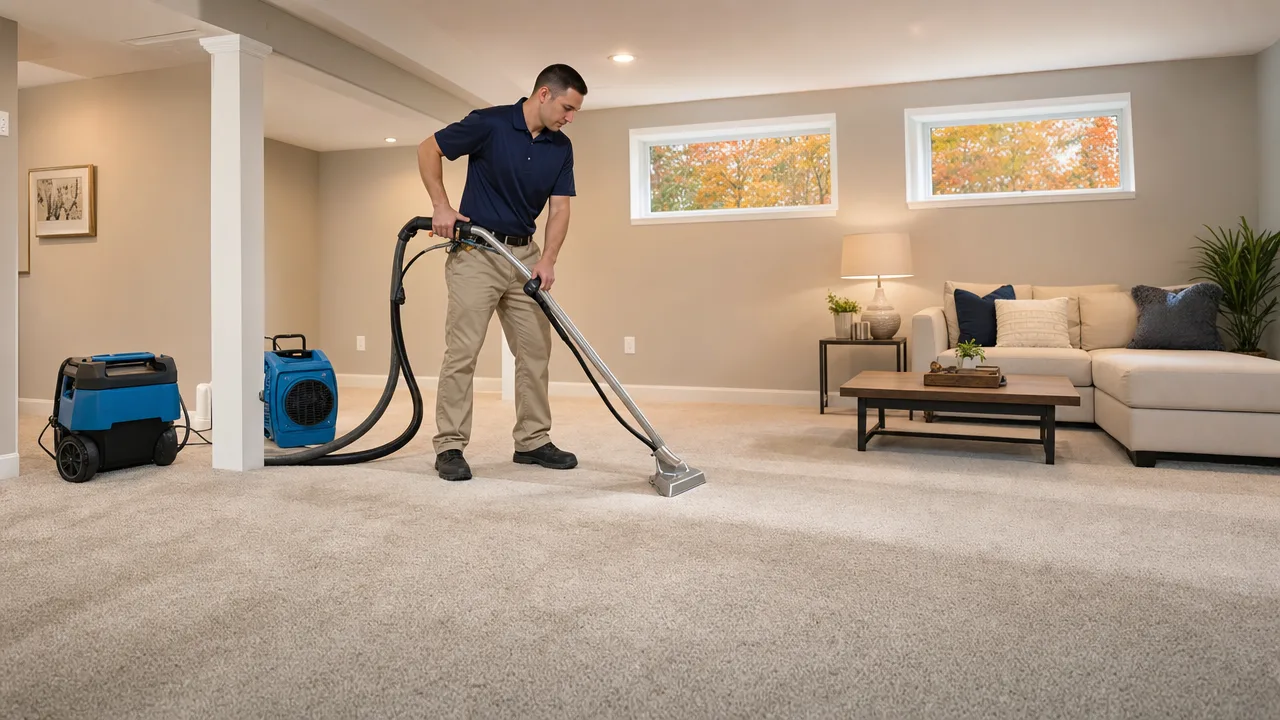
A practical early-fall guide to carpeted basement cleaning in Framingham. Learn how to handle dampness, musty odors, pet spots, drying time, and when professional hot water extraction makes sense.
A carpeted basement can be one of the most useful rooms in a Framingham home. It may be a playroom, TV room, home office, workout area, guest space, or simply a comfortable place to spend more time indoors as early fall arrives. It can also be the room most likely to hold onto dampness, tracked-in soil, pet odors, and stale air.
Basement carpet does not always look dirty when it needs attention. A light musty smell, darkened traffic lanes, a few old spots near the stairs, or carpet that feels slightly clammy can all signal that it is time for deeper carpet cleaning. Addressing those issues now can make the space more comfortable for regular indoor use and help you identify moisture problems before they worsen.
Professional carpet cleaners use hot water extraction, often called steam cleaning, to rinse embedded soil and residues from carpet fibers. It is not a substitute for correcting an active leak or flooding issue, but it can be an effective reset once the basement is dry and the moisture source is under control.
Why Carpeted Basements Need Different Care
Basements face conditions that upstairs rooms usually do not. They are lower in the home, often cooler, and may have less natural airflow. During the change from late summer to early fall, humid days can still occur while basement temperatures remain comparatively cool. That combination can make odors more noticeable and slow the drying of damp materials.
Carpet acts like a filter. It catches dust, hair, crumbs, soil from shoes, and airborne particles. In a basement, those materials can mix with humidity and create the stale odor people often describe as musty. The odor may be coming from the carpet, the carpet backing, the pad beneath it, furniture fabric, or an underlying moisture issue. Cleaning is most useful when you first narrow down which of those conditions is present.
Common early-fall basement concerns include:
A closed-up smell that becomes stronger after the room has been shut for a few days.
Soil buildup around doors, at the bottom of carpeted stairs, and in paths between seating and storage areas.
Pet accidents that were missed or only partly treated.
Old drink spills or food spots from summer gatherings and kids' activities.
Dust and allergens held in carpet fibers after a busy summer of open windows and frequent foot traffic.
Furniture that has absorbed body oils, pet hair, or odors while sitting in a lower-airflow room.
Start With Moisture, Not Fragrance
Do not try to cover a basement odor with candles, room spray, or heavily scented powder. Those products may temporarily mask the smell, but they do not remove soil or solve excess moisture. Some powders can also leave residue in the carpet, making a later professional cleaning more difficult.
Before scheduling carpeted basement cleaning, inspect the room carefully. Check along exterior walls, near windows, around utility areas, beside floor drains, and under furniture. Look for wet carpet, damp padding, staining on walls, peeling paint, visible mold growth, or a recurring puddle. If carpet is wet from an active leak, recent flooding, or a plumbing problem, stop and address that water source first. Cleaning a wet carpet without resolving the cause will not provide a lasting result.
If the carpet is dry but smells stale, take a few simple steps for several days. Run a dehumidifier if you have one, keep the room at a stable temperature, and improve airflow where possible. Vacuum slowly and thoroughly. Move lightweight items so you can check more of the floor. If the odor remains after the room has dried and aired out, embedded soil, old pet contamination, or residue in the carpet may be part of the problem.
A Practical Early-Fall Basement Cleaning Plan
1. Clear the areas that get the most use
You do not need to empty every storage shelf to improve the room. Prioritize the open carpeted areas, walkways, seating zones, and places where people sit on the floor. Remove toys, small tables, floor lamps, pet beds, and loose items. This gives the cleaning technician access to the areas where soil and odors are concentrated.
For heavy furniture, ask in advance what can reasonably remain in place. The goal is to clean as much usable carpet as possible without creating unnecessary disruption. Basement rooms often have large shelving units, equipment, or stored items that cannot be moved easily, and that is normal.
2. Vacuum before the appointment
A careful vacuuming helps remove dry grit, hair, and surface debris. Make several slow passes in the main pathways instead of quickly going over the room once. Vacuuming does not replace deep carpet cleaning, but it allows hot water extraction to focus more effectively on the soil and residues down in the fibers.
Pay special attention to the edges of rugs, the base of stairs, and the area around sofas. Those locations collect pet hair and fine debris that can contribute to a dusty, stale basement smell.
3. Identify spots and odor areas honestly
Point out stains, recurring odor locations, and past pet accidents before cleaning begins. This information matters. A technician can use the right pre-treatment approach when they know where an issue started and what caused it. Pet stain removal is different from ordinary carpet stain removal because urine can move below the visible surface and leave odor-causing residue behind.
It is also helpful to say if you have already used a store-bought cleaner. Some products leave sticky soap or protectant residues that attract more soil later. Honest details help set realistic expectations and guide the cleaning process.
4. Plan for drying time
Hot water extraction uses moisture to flush soils from carpet, followed by extraction that removes the cleaning solution and suspended debris. The carpet should be damp after service, not soaked. Drying time varies with carpet type, airflow, humidity, how heavily soiled the carpet was, and whether the basement has adequate ventilation.
Keep air moving after the visit. Use fans if available, operate a dehumidifier, and avoid putting furniture back on damp carpet until it has dried. Do not close up the room immediately. Good airflow is especially important in a basement because lingering humidity can bring the musty smell back even after an otherwise successful steam cleaning.
When DIY Cleaning Is Enough and When It Is Not
A small, fresh spill can often be handled at home. Blot it promptly with a clean white cloth, working from the outer edge toward the center. Use only a small amount of a carpet-safe product, and avoid soaking the area. Then blot again to remove as much moisture as possible.
DIY care is also fine for routine vacuuming, quick crumb cleanup, and keeping pet paws clean before they come downstairs. These habits reduce the amount of soil that reaches the carpet in the first place.
Professional carpet cleaning is a better choice when the carpet has an overall dingy look, odors return after basic cleaning, spots keep reappearing, or traffic lanes feel rough and matted. These issues often involve soil that has settled beyond the reach of a household vacuum or small rental machine. For a related look at recurring spots, read why carpet stains can seem to come back after professional steam cleaning.
Be cautious with rental machines in a basement. Over-wetting carpet, using too much detergent, or failing to extract enough moisture can leave residue and extend drying time. That is not ideal in a room already prone to damp air. Professional hot water extraction is designed to provide a deeper rinse and stronger moisture removal than surface-only cleaning methods.
Do Not Forget Basement Seating and Sleeping Areas
Carpet is often only part of the basement odor picture. A sofa, armchair, ottoman, or large sectional can hold pet hair, snack residue, skin oils, and airborne dust. If the room smells stale even after the carpet is cleaned, inspect the upholstery. Sofa cleaning or sectional cleaning may make sense when the furniture is regularly used for movie nights, gaming, guests, or pets.
Upholstery cleaning is not automatically necessary every time you clean the carpet. It is most useful when fabric has visible soil, a lingering odor, a spill history, or heavy everyday use. Keeping the scope focused helps you spend money where it will make the biggest difference. You can review Skleanings services to see options for carpet, upholstery cleaning, and mattress cleaning.
If a basement bedroom includes a full or king mattress, consider whether it has been exposed to damp air, pet hair, or repeated use. Mattress cleaning uses a hygienic process, but it should only be considered after checking that the room itself is dry and well ventilated. A clean mattress placed back into a persistently damp room will not solve the underlying issue.
What Results Should You Expect?
A professional cleaning can lift embedded soil, improve the feel and appearance of carpet, reduce many everyday odors, and address treatable spots. It can make a basement feel substantially fresher for early-fall indoor use. However, no responsible cleaner should promise to remove every stain or odor.
Some stains have permanently changed the carpet dye. Old pet contamination may have reached padding or subflooring. Odors caused by mold growth, standing water, or structural moisture need repair and drying beyond carpet cleaning. The practical value of a professional assessment is that it separates cleanable carpet conditions from problems that need another type of solution.
Keep the Basement Fresher After Cleaning
Vacuum weekly, especially along main walkways and around seating.
Use a dehumidifier during damp periods and empty it as needed.
Clean up pet accidents quickly and note areas with repeat behavior.
Use washable mats at basement entry points to reduce tracked-in soil.
Avoid storing damp items, wet shoes, or wet towels on carpet.
Leave space between stored items and exterior walls so you can inspect for moisture.
Schedule a deeper cleaning when traffic, odors, spots, or seasonal indoor use call for it.
Make the Basement Ready for Early Fall
A carpeted basement should feel like usable living space, not a room you avoid because it smells closed up or looks worn. Start with moisture control, vacuum carefully, identify stains and pet odor areas, and give the carpet proper drying conditions after service. These simple steps support a better result from professional carpet cleaners and help protect the room through the weeks ahead.
Skleanings provides carpet cleaning with hot water extraction for carpeted basements, along with appropriate upholstery cleaning and mattress cleaning when those items need attention too. If your Framingham basement is dry but overdue for a fresh start, you can book your cleaning online in under a minute.